
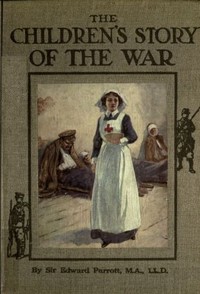
The Children's Story of the War Volume 4 (of 10) by Edward Parrott
Edward Parrott's fourth volume picks up the story in 1915, a year that shattered any remaining illusions about a quick end to the war. The front lines have hardened into a continuous scar across Europe, and the fighting has spread to new, desperate theaters.
The Story
This book moves between two main horrors. On the Western Front, we're in the trenches for the long haul. Parrott describes the miserable conditions—the relentless mud, the freezing cold, the constant threat of sniper fire. He details the introduction of terrifying new weapons, like poison gas at Ypres, which added a fresh layer of dread to the soldiers' existence. Then, the narrative shifts dramatically to the Gallipoli campaign. We follow the Allied troops as they land on the rugged Turkish coastline, full of hope, only to be pinned down on the cliffs and beaches under devastating fire. The story here is one of incredible bravery meeting a tragic, stalled plan. It's a stark contrast in landscapes but a shared experience of futility and immense sacrifice.
Why You Should Read It
What gets me about this volume is its focus on the everyday reality of a war that wouldn't end. The big, set-piece battles from earlier books are replaced by the grinding pressure of attrition. Parrott, writing for a young audience in the 1910s, doesn't shy away from the darkness. His descriptions make you feel the claustrophobia of a dugout and the sheer confusion of a night attack. While it's a history book, it reads with the urgency of a report from the front lines. He manages to balance clear explanations of military moves with moments that highlight individual soldiers—their fear, their cold, their stubborn courage. It turns names and dates from a textbook into something much more immediate.
Final Verdict
This isn't a light read, but it's an important one. It's perfect for anyone wanting to understand the middle years of WWI beyond the famous battles. History readers will appreciate the clear, ground-level perspective, while the accessible style makes it a great entry point for older students or casual readers curious about the human experience of the war. Just be prepared—the optimism of the early volumes is gone, replaced by the grim determination of 1915.
This digital edition is based on a public domain text. Feel free to use it for personal or commercial purposes.






Brian Rodriguez
11 months agoGreat digital experience compared to other versions.